A study has suggested Shingrix, a relatively new vaccine given to protect older adults against shingles, may delay the onset of dementia.
Screens have become seamlessly integrated into our daily lives, but research has found a clear link between disordered screen use and lower cognitive functioning.
Memories are an important part of our identity and we increasingly entrust them to the cloud – with potentially serious consequences.
A special group of people appear to have genes that protect them from the worst effects of Alzheimer’s disease.
Research shows our brains are still evaluating our decisions even as we act them out. Better awareness of what influences last-minute decision-making can help us make better choices.
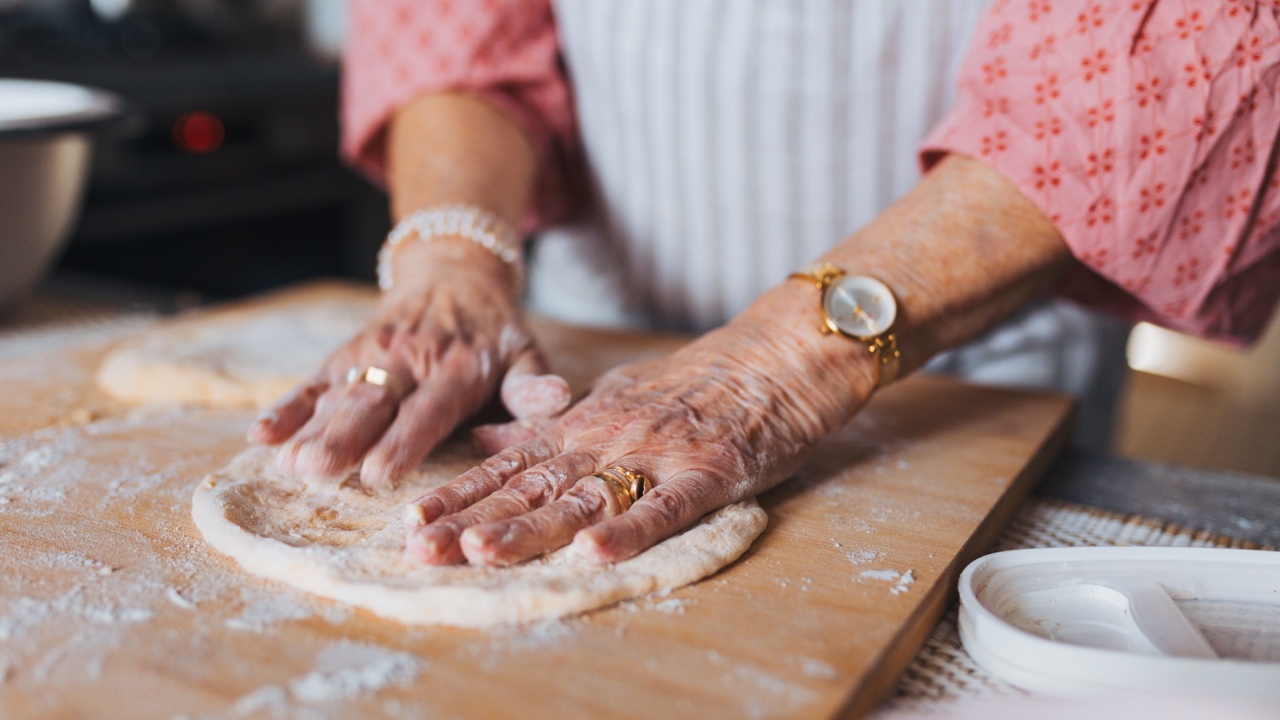
Nonna’s pizza dough? A cocktail from a tropical holiday? Food and drinks can evoke feelings of nostalgia and bittersweet memories.
While wellness is a seductive industry, it is also a seductive distraction from what’s really impacting women’s lives.
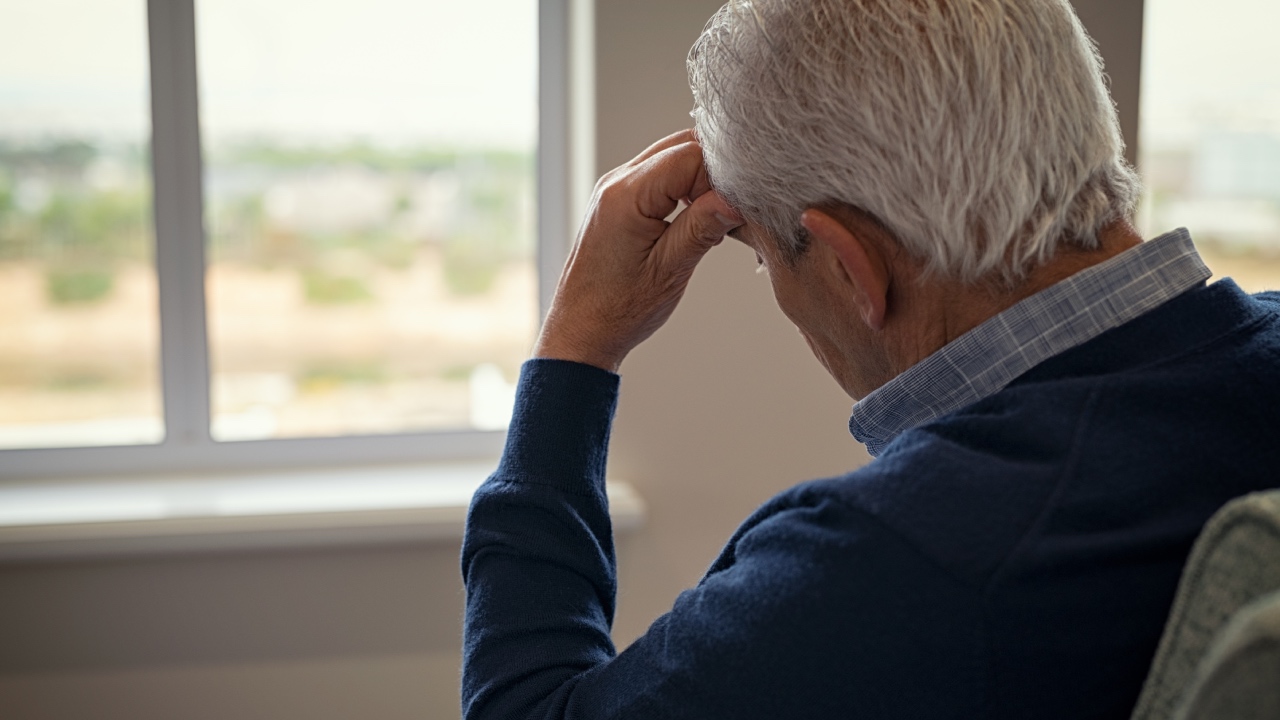
While we have no idea how Assange is coping from being cooped up inside for so long with few visitors, we do know that isolation can have a severe negative impact on many people.
Contrary to what you may have heard, your mindset may be the biggest thing affecting how social media connects to your wellbeing.
People who have a lower threshold for defining distress as a disorder are more likely to identify themselves as having a mental illness.
With time being frustratingly finite, it is inevitable we will run out of time to do all of the things on our to-do list. But finding the right balance is key.
Alzheimer’s is the most common form of dementia. Here’s why knowing about the diversity of dementia matters.